 Business License

Best Mouse Pad Material For Gaming
Mouse Pad Materials Decoded: Finding Your Perfect Surface
The material of your mouse pad is the single most important factor in determining its feel, performance, and durability. Choosing the right one can transform your aim, comfort, and workflow. Let’s break down the most common types.
1. Standard Cloth
The Classic Choice.
Composition: Woven polyester or a polyester blend, with a rubber or foam backing for grip and cushion.
Feel & Performance: Offers the most control and stopping power. Provides a slight, consistent resistance for precise micro-adjustments. The texture is soft and quiet.
Best For: FPS games requiring high accuracy (like CS2, Valorant), general office use, digital art.
Pros: Comfortable, affordable, quiet, huge variety of designs, often has stitched edges to prevent fraying.
Cons: Slower glide, can be affected by humidity (becoming inconsistent), wears down over time, harder to clean.
2. Coated / Hybrid Cloth
The Performance Hybrid.
Composition: A standard cloth base with a water-resistant polymer or silicone coating applied to the top surface.
Feel & Performance: Strikes a balance between speed and control. The coating creates a smoother, faster glide than standard cloth while retaining some stopping power. Often feels silky to the touch.
Best For: Gamers who want speed but find hard pads too slippery. A great all-rounder for various game genres.
Pros: Faster than cloth, more consistent in humidity, often water-resistant, easy to wipe clean.
Cons: The coating can wear off unevenly over months/years, changing the glide. Usually more expensive than standard cloth.
3. Hard Plastic / Composite
The Speed Demon.
Composition: Made from solid polycarbonate, acrylic, or aluminum with a textured, smooth surface.
Feel & Performance: Provides an extremely low-friction, fast glide with minimal initial friction. The feel is consistent and unaffected by environment. Offers a firm, direct connection to the mouse sensor.
Best For: Low-sensitivity gamers who make large swipes (common in FPS), gamers who prioritize pure speed.
Pros: Extremely fast, highly durable, impervious to humidity, very easy to clean.
Cons: Louder (click-clack sound), causes faster wear on mouse feet (skates), can feel "scratchy," no cushioning for wrist.
4. Glass
The Premium Experience.
Composition: Tempered glass, often with a textured or micro-etched surface to provide the right amount of friction.
Feel & Performance: Delivers a uniquely smooth, consistent, and effortless glide that is often faster than plastic. The surface is completely uniform and unaffected by wear, humidity, or temperature.
Best For: Enthusiasts and competitive gamers seeking the ultimate in consistency and longevity.
Pros: Exceptionally durable (lasts a lifetime), supremely consistent, easy to clean, cool to the touch.
Cons: Very expensive, can be fragile if mishandled, requires specific mouse feet (usually PTFE/sapphire), cold in winter.
5. Aluminum
The Cool & Durable.
Composition: A sheet of anodized aluminum, sometimes with a textured finish.
Feel & Performance: Similar to hard plastic—very fast and low friction—but with a more premium, rigid feel. Excellent heat dissipation.
Best For: Users who want speed and a premium, durable build.
Pros: Very durable, easy to clean, provides a unique solid feel, stays cool.
Cons: Very hard on mouse feet, can be loud, cold to the touch, heavy.
6. Silicone / Rubber
The Functional Basic.
Composition: A single layer of textured silicone or soft rubber.
Feel & Performance: Offers a high degree of control with a soft, grippy surface. Glide is generally slow.
Best For: Basic office computing, travel, as a non-slip surface on the go.
Pros: Extremely affordable, portable, easy to clean, water-resistant.
Cons: Not ideal for precision gaming, can attract dust and lint, may not lie completely flat.
7. Leather (with Wrist Rest)
The Executive Comfort.
Composition: Genuine or synthetic leather surface, typically with a thick, gel-filled wrist rest.
Feel & Performance: Focus is on luxury and ergonomic comfort, not high-performance tracking. The surface is smooth but offers high control.
Best For: Office professionals, programmers, anyone prioritizing wrist support and a premium desk aesthetic.
Pros: Excellent wrist support, professional appearance, durable surface.
Cons: Expensive, not designed for gaming, can cause sweating on the wrist.
Quick Comparison Chart
Material | Glide Speed | Control | Durability | Best For |
|---|---|---|---|---|
Standard Cloth | Slow | High | Medium | FPS, Office, Comfort |
Coated/Hybrid | Medium | Medium-High | Medium | All-Round Gaming |
Hard Plastic | Very Fast | Low | High | Speed-Focused Gaming |
Glass | Very Fast | Low-Medium | Very High | Enthusiasts, Consistency |
Aluminum | Very Fast | Low | Very High | Durability & Speed |
Silicone | Very Slow | Very High | Medium | Basic/Travel Use |
The Bottom Line:
Your choice boils down to a trade-off between Speed and Control. Cloth is for control, Hard/Glass is for speed, and Hybrid is the middle ground. Consider your primary use, your mouse's feet, and your environment (e.g., humidity) when making your choice.
Recently Posted
-
Top Several Gaming Mouse Brand
March 31, 2026Top Gaming Mouse Pad Brands: A Gamer's GuideChoosing the right gaming mouse pad is as crucial as selecting the right mouse. The brand you pick often dictates the surface's consistency, durability, and performance characteristics. Here’s a breakdown of the top gaming mouse pad brands that dominate the esports and enthusiast scenes.The Esports & Performance Giants1. SteelSeriesA Danish brand that is practically synoRead More -
how to choose a right mouse pad ?
March 31, 2026The Ultimate Guide to Choosing the Right Mouse Pad for Every NeedIn the world of computing, whether you're a hardcore gamer, a creative professional, or a daily desk worker, the humble mouse pad is an accessory that often gets overlooked. However, the right mouse pad can dramatically improve your precision, comfort, and overall computing experience. Let’s dive into the different types and how to pick the perfect one for yRead More

Contact Us
Recommended Products
-
 Full Color Printing Playmat 6x4 Feet Standard Neoprene Battlefield Street Map Table Top Game Play MatUS$ 11 - 14MOQ: 200 Pieces
 -
Poron PU Base Smooth Texture and Quick Movement Speed Control Type 99 Artisan Gaming Mouse Pads Artisan Liquid Proof Jacquard Cloth Mouse PadUS$ 9 - 15MOQ: 1 Piece
-
Poron PU Base Smooth Texture and Quick Movement Speed Control Type 99 Artisan Gaming Mouse Pads Artisan Liquid Proof Jacquard Cloth Mouse PadUS$ 9 - 15MOQ: 1 Piece
-
PVC Rubber Beer Bar Mat Eco Water Proof PVC Drinking Bar Rail Mat Silicone Bar Mat Spill Bar MatUS$ 1.8 - 2.5MOQ: 200 Pieces
-
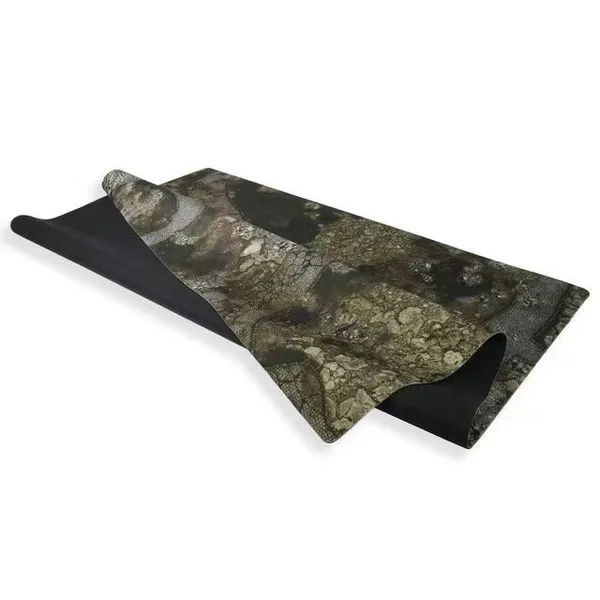
Custom Printed Tabletop Board Game Mat 3'X3' 4'X4' 4'X6' Rubber Playmat Neoprene Gaming Wargame Battle Mat Battle Field MatUS$ 6 - 8MOQ: 200 Pieces
-
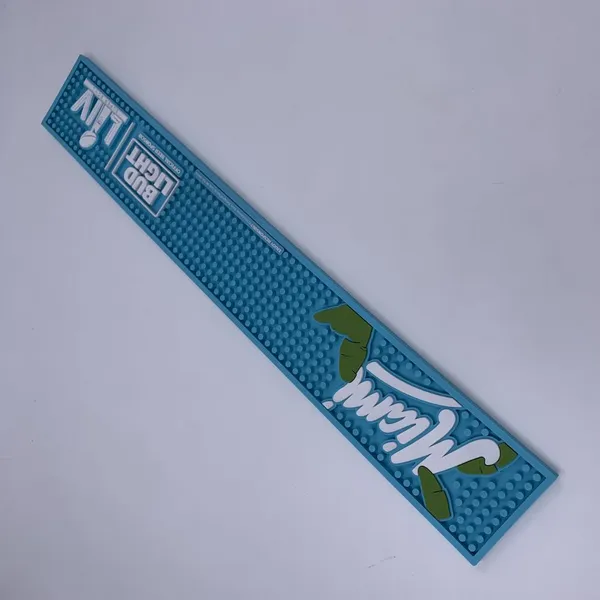
Custom Brand Printing Nitrile Rubber Promotion Gift Bar Runner Bar Mat Beer Bar Counter Mat Beer Drinks Beverage Bar RunnerUS$ 2.3 - 3.0MOQ: 200 Pieces
-
Jacquard Controling Texture and Quick Movements Speed and Control Gaming Mouse Pads Artisan Liquid Jacquard Cloth Mat MousepadUS$ 9 - 15MOQ: 1 Piece
-
Poron PU Base Smooth Texture and Quick Movements Speed and Control Gaming Mouse Pads Artisan Liquid Jacquard Cloth Mat MousepadUS$ 9 - 15MOQ: 1 Piece
-
Poron PU Base Smooth Texture and Quick Movement Speed Control Gaming Mouse Pads Artisan Liquid Proof Jacquard Cloth Mouse PadUS$ 9 - 15MOQ: 1 Piece
-
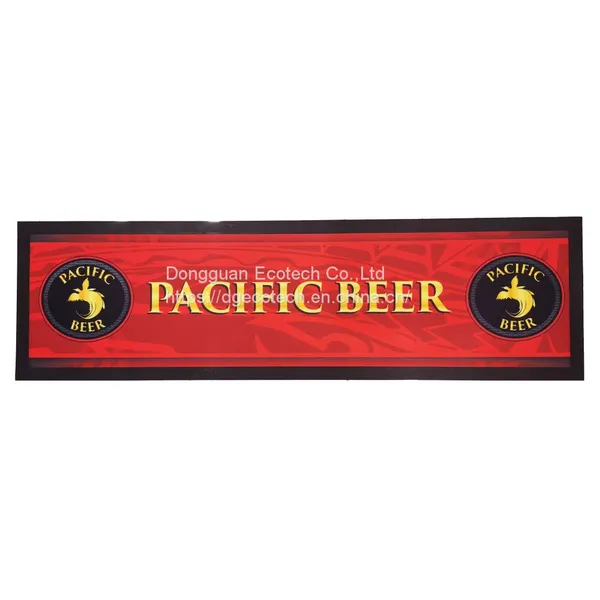
Custom Brand Printing Nitrile Rubber Promotion Gift Bar Runner Bar Mat Beer Bar Counter Mat Beer Drinks Beverage Bar RunnerUS$ 1.5 - 2.5MOQ: 200 Pieces
-
Custom Game Playmat Dark Magic Girl Custom Print Playmat Board Game Card Game Playing Table Game MatUS$ 1 - 2MOQ: 200 Pieces
-
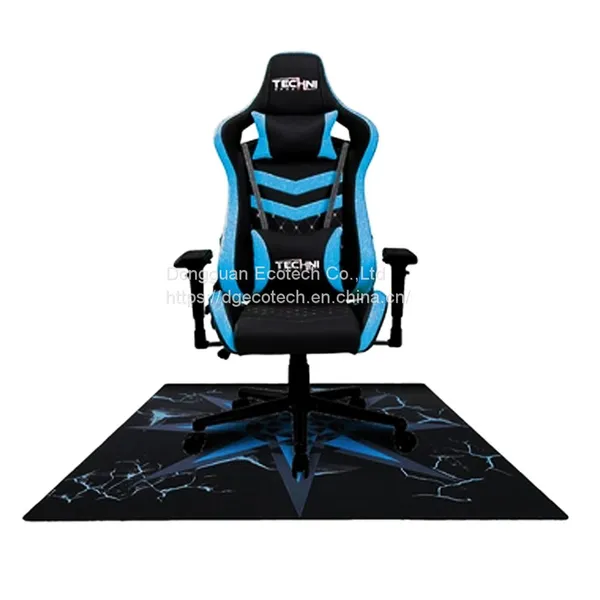
Non Slip Gaming Chair Floor Protecting Gaming Zone Chair Mat Desk Mat Rolling Office Chair Floor PadUS$ 7 - 9MOQ: 200 Pieces
-
Custom Game Playmat Dark Magic RPG Custom Print Playmat Board Game Card Game Playing Table Game MatUS$ 1 - 2MOQ: 200 Pieces
-
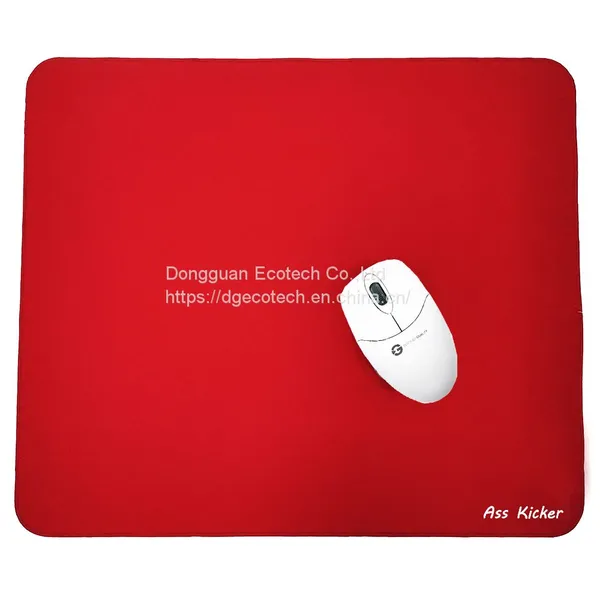
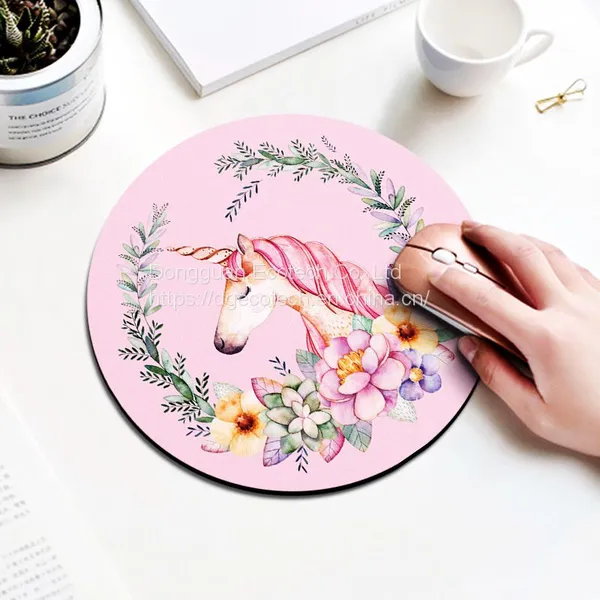
Custom Printing Non Slip Rubber Mouse Pad Office Mouse Pad Round Mouse MatsUS$ 0.25 - 1MOQ: 200 Pieces
-
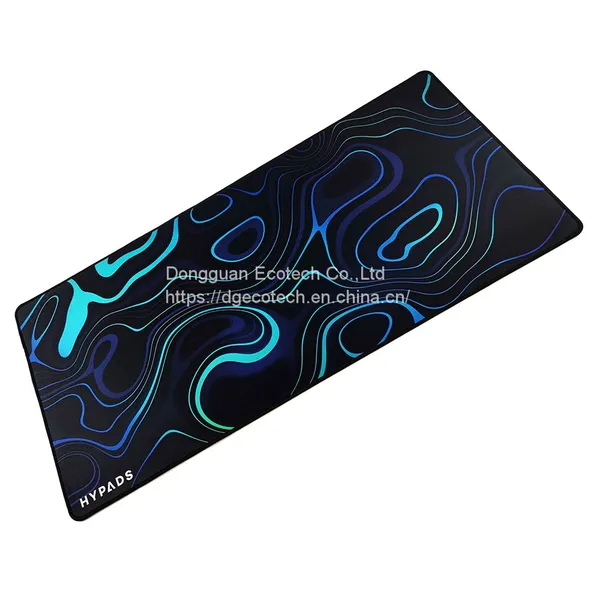
Custom Printing Non Slip Rubber Mouse Pad Computer Laptop Esports Gaming Mouse PadUS$ 3.5 - 5MOQ: 200 Pieces
-
Non Slip Natural Rubber Foam Gaming Floor Protecting Gaming Zone Chair Mat Desk Mat Office Rolling Chair MatUS$ 6.5 - 7.5MOQ: 200 Pieces
-
Non Slip Natural Rubber Foam Gaming Floor Protecting Gaming Zone Office Chair Mat Desk Mat Rolling Chaie Floor PadUS$ 7 - 9MOQ: 200 Pieces
-
Non Slip Gaming Chair Floor Protection Gaming Zone Chair Mat Desk Mat Rolling Chair Floor PadUS$ 7 - 9MOQ: 200 Pieces
-
Non Slip Gaming Chair Floor Protecting Gaming Zone Chair Mat Desk Mat Rolling Chair Floor PadUS$ 7 - 9MOQ: 200 Pieces
-
Rubber Bar Runner Foam Rubber Bar Mat Promotion Gift Bar Runner Custom Printing Rubber Bar RunnerUS$ 0.5 - 1.5MOQ: 500 Pieces